
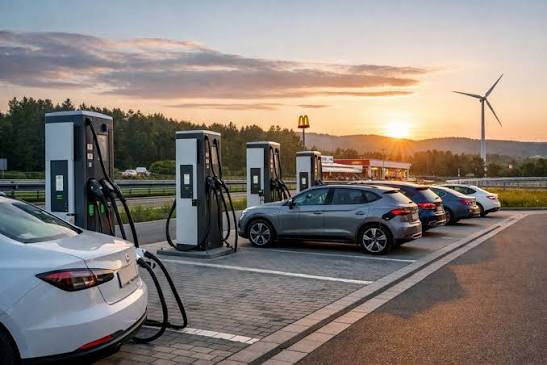
Electric vehicle charging costs can vary significantly depending on where, when, and how an EV is charged.
For many EV owners, charging at home remains the lowest-cost and most convenient option. Public Level 2 charging offers more flexibility for drivers without private parking, while DC fast charging provides the highest charging speed but usually comes at a higher cost per kilowatt-hour.
Understanding these differences is important not only for individual EV owners, but also for property developers, fleet operators, workplaces, hotels, commercial parking facilities, and charging point operators planning EV charging infrastructure.
This guide compares home EV charging vs public charging costs in 2026, explains the major factors that influence charging expenses, and examines how smart charging can reduce long-term operating costs.

Quick Answer: Is Home EV Charging Cheaper Than Public Charging?
In most cases, yes.
Home charging typically uses residential electricity tariffs, while public charging prices include additional costs associated with:
- Charging equipment
- Installation
- Grid connection
- Site rental
- Maintenance
- Charging software
- Payment processing
- Network operation
- Customer service
As a result, public charging generally costs more per kWh than charging at home.
Based on the figures referenced in this comparison, typical charging costs can broadly fall into the following ranges:
| Charging Method | Typical Cost per kWh | Approx. 60 kWh Charge |
|---|---|---|
| Home Level 2 | $0.12–$0.19 | $7–$11 |
| Public Level 2 | $0.20–$0.40 | $12–$24 |
| Public DC Fast Charging | $0.35–$0.70 | $21–$42 |
Actual costs vary considerably by region, utility tariff, charging network, membership plan, and time of use.
How Much Does It Cost to Charge an EV at Home?
A simple home charging calculation is:
Home Charging Cost = Energy Added × Electricity Price
If charging losses are included:
Actual Electricity Cost = Battery Energy Added ÷ Charging Efficiency × Electricity Rate
For example, if an EV receives 60 kWh and the electricity rate is:
$0.18/kWh
the theoretical energy cost is:
60 × $0.18 = $10.80
In practice, the amount drawn from the grid may be slightly higher because energy is lost through:
- AC/DC conversion
- Battery thermal management
- Cable resistance
- Vehicle electronics
- Charger standby consumption
For this reason, the amount displayed by the charging equipment and the energy ultimately stored in the battery may not be identical.

Electricity Prices Have a Major Impact
Home EV charging costs depend heavily on local electricity tariffs.
According to the source material, the average U.S. residential electricity rate reached approximately 18.56 cents per kWh in March 2026, while electricity rates differed substantially between individual states.
This means the same EV can cost very different amounts to charge depending on location.
For example, a 60 kWh charging session at:
$0.12/kWh
costs:
$7.20
while the same session at:
$0.30/kWh
costs:
$18.00
The vehicle has not changed.
The electricity tariff has.
This is why charging economics should always be evaluated using local energy prices rather than only national averages.
Off-Peak Charging Can Reduce Home Charging Costs
One of the biggest advantages of home charging is the ability to control when the EV charges.
Many utilities offer time-of-use electricity tariffs where overnight electricity is cheaper than electricity during periods of high grid demand.
For example:
Daytime electricity:
$0.18/kWh
Off-peak electricity:
$0.08/kWh
A 60 kWh charging session would therefore cost:
Daytime
60 × $0.18 = $10.80
Off-Peak
60 × $0.08 = $4.80
Difference:
$6 per charging session
For drivers charging frequently, this difference can accumulate into meaningful annual savings.
This is also why scheduled charging has become an important function in modern home EV chargers.
A smart charger can automatically begin charging during lower-cost periods without requiring the driver to manually start every session.
Level 1 vs Level 2 Home EV Charging
Home EV charging is generally divided into Level 1 and Level 2 charging.
Level 1 Charging
Level 1 charging typically uses a standard household electrical outlet.
Advantages include:
- Minimal installation work
- Low upfront cost
- Suitable for low daily mileage
However, charging speed is relatively slow.
For many vehicles, Level 1 charging may only add several miles of driving range per hour.
It can work well for drivers who:
- Travel short distances
- Park overnight for long periods
- Have smaller battery packs
- Do not need rapid daily replenishment
Level 2 Charging
Level 2 charging uses a higher-power AC electrical connection.
It provides significantly faster charging and is generally the preferred solution for regular home EV charging.
Typical benefits include:
- Faster overnight charging
- Scheduled charging
- App monitoring
- Charging current adjustment
- RFID access
- Load management
- Solar integration
- Remote control
For households with one or more electric vehicles, a properly selected Level 2 charger generally provides greater flexibility than relying on a standard household outlet.
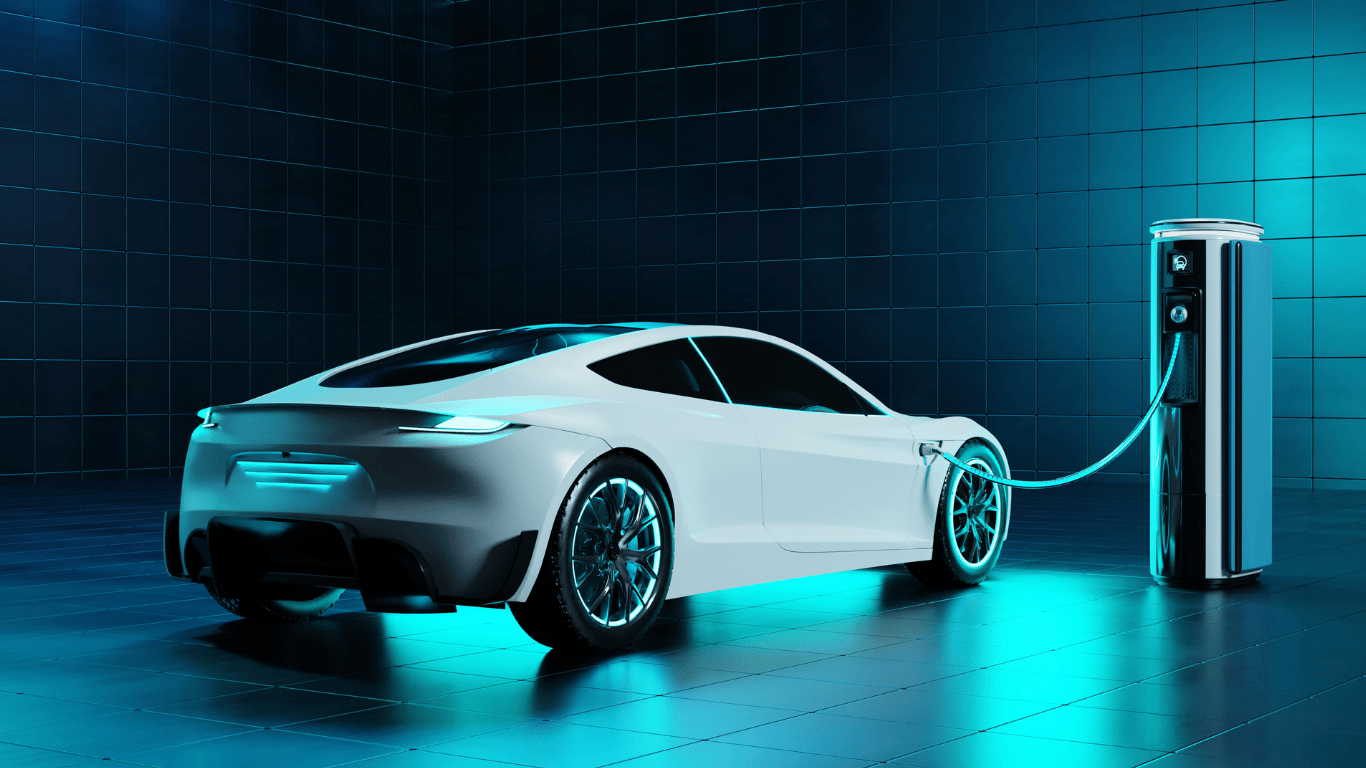
How Much Does Public EV Charging Cost?
Public charging prices vary much more than residential electricity rates.
The final price may depend on:
- Charging network
- Charger power
- Location
- Electricity tariff
- Parking fees
- Membership status
- Time of day
- Session duration
- Local regulation
- Charging station utilization
Public charging can broadly be divided into:
Public AC / Level 2 charging
and
DC fast charging
Public Level 2 Charging Cost
Public Level 2 chargers are commonly installed at:
- Shopping centers
- Hotels
- Office buildings
- Restaurants
- Public parking facilities
- Residential communities
- Supermarkets
- Entertainment venues
The source material places typical public Level 2 charging rates at approximately:
$0.20–$0.40/kWh
At these rates, charging 60 kWh would cost approximately:
$12–$24
Public Level 2 charging can be an attractive option because the vehicle charges while it is already parked.
Instead of making charging a separate activity, drivers can charge while:
- Working
- Shopping
- Eating
- Sleeping at a hotel
- Visiting entertainment facilities
This makes destination charging particularly valuable for commercial properties.
DC Fast Charging Costs More for a Reason
DC fast chargers provide much higher power than normal AC chargers.
Instead of sending AC power to the vehicle’s onboard charger, a DC fast charger converts AC electricity into DC power within the charging station and supplies that power directly to the vehicle battery.
Depending on the charger and vehicle, DC fast charging systems may provide:
- 60 kW
- 120 kW
- 180 kW
- 240 kW
- 320 kW
- 400 kW
- 480 kW
- 600 kW
- or higher power levels
High-power infrastructure requires significantly more investment in:
- Power electronics
- Cooling systems
- Grid connection
- Transformers
- Switchgear
- Cables
- Protection systems
- Charging software
- Installation
- Maintenance
As a result, DC fast charging is normally more expensive than home AC charging.
The source article references typical public DC fast-charging prices of approximately:
$0.35–$0.70/kWh.
At $0.50/kWh, charging 60 kWh would cost:
$30
At $0.70/kWh:
$42
For most private EV users, DC fast charging is therefore best suited to:
- Long-distance journeys
- Emergency charging
- Drivers without home charging
- High-mileage commercial vehicles
- Fast-turnaround applications
rather than being the lowest-cost everyday charging method.

Home EV Charging vs Public Charging Cost Comparison
A practical comparison might look like this:
| Charging Type | Cost/kWh | 60 kWh Session | Main Advantage |
| Home Off-Peak AC | $0.08 | $4.80 | Lowest potential cost |
| Home Standard AC | $0.18 | $10.80 | Convenience |
| Public Level 2 | $0.30 | $18.00 | Destination charging |
| DC Fast Charging | $0.50 | $30.00 | Fast turnaround |
| Premium DC Fast Charging | $0.70 | $42.00 | Maximum convenience |
This table illustrates an important point:
Charging speed and charging cost often move in the same direction.
The faster and more convenient the charging service, the greater the infrastructure investment required to provide it.
Hidden Costs of Public EV Charging
Drivers should also consider charges beyond the advertised electricity price.
Session Fees
Some charging networks apply a fixed fee whenever a charging session begins.
For short charging sessions, this can significantly increase the effective cost per kWh.
Idle Fees
Public charging stations may charge additional fees when a vehicle remains connected after charging has finished.
Idle fees are intended to encourage drivers to move their vehicles so other users can access the charger.
Parking Charges
Some public charging locations require users to pay both:
EV charging fees
and
parking fees
These costs should be considered together.
Membership Fees
Some charging networks offer monthly membership plans with discounted charging rates.
These can make sense for frequent users but may provide little value to drivers who rarely use public charging.
Peak Pricing
Some operators vary pricing based on time or demand.
Charging during busy periods may therefore cost more than charging late at night or during low-demand periods.
What If You Cannot Install a Home Charger?
Millions of EV users live in:
- Apartments
- Condominiums
- High-rise residential buildings
- Rental properties
- Dense urban communities
where private home charging may not be available.
In these cases, the goal should not necessarily be to rely entirely on DC fast chargers.
Several lower-cost alternatives exist.
Workplace EV Charging
Workplace charging is one of the most practical alternatives to home charging.
Vehicles often remain parked at workplaces for:
6–10 hours
which provides sufficient time for AC charging.
For employers, installing EV chargers can also provide:
- Employee benefits
- Corporate sustainability support
- Fleet electrification infrastructure
- Visitor charging
- Future charging revenue
Smart workplace charging systems can distribute available electrical capacity among multiple vehicles rather than requiring every charger to operate at full power simultaneously.
Destination Charging
Commercial properties can provide EV charging where vehicles naturally remain parked.
Suitable applications include:
Hotels
Guests can charge overnight.
Shopping Centers
Drivers charge while shopping.
Restaurants
Charging can increase customer dwell time.
Offices
Employees charge during working hours.
Residential Communities
Residents charge overnight without private garages.
The objective is to combine parking time with charging time.
This can reduce dependence on high-cost public fast charging.
Why Fleets Should Compare Depot Charging With Public Charging
The difference between home and public charging becomes even more important at fleet scale.
A private driver may purchase several thousand kWh per year.
A commercial fleet may consume:
hundreds of thousands or even millions of kWh annually.
Even a small difference in electricity cost can therefore have a significant financial impact.
For example, assume a fleet consumes:
500,000 kWh per year
Depot charging electricity cost:
$0.15/kWh
Annual energy cost:
$75,000
Public fast charging:
$0.45/kWh
Annual energy cost:
$225,000
Difference:
$150,000 per year
This simplified example shows why fleet charging strategy is often as important as vehicle selection.
What Should Fleet Operators Consider?
Fleet operators should evaluate:
- Vehicle battery capacity
- Daily route distance
- Energy consumption
- Return-to-depot schedules
- Charging windows
- Electricity tariffs
- Maximum site demand
- Transformer capacity
- Charger quantity
- Charger power
- Fleet growth
- Public charging availability
- Driver behavior
For predictable fleets, depot charging can provide significantly greater control over energy costs.
Smart Charging Can Lower Fleet Charging Costs
Installing more chargers does not necessarily mean that every charger must operate at full power at the same time.
For example, a depot may have:
10 × 22 kW AC chargers
Total installed charger capacity:
220 kW
But the charging management system may limit the whole site to:
120 kW
Available power can then be dynamically distributed among connected vehicles.
Vehicles departing earlier may receive higher priority.
Vehicles with longer parking windows can charge more slowly.
This type of dynamic load management can:
- Reduce peak demand
- Limit electrical upgrades
- Improve transformer utilization
- Support more charging points
- Reduce demand charges
- Improve fleet charging predictability
Charging Cost Is Only One Part of Total Cost of Ownership
When comparing EV charging options, electricity price is important, but it should not be evaluated alone.
Other factors include:
Equipment Cost
Cost of EV chargers.
Installation Cost
Electrical infrastructure, cabling, foundations, protection, and labor.
Grid Upgrade Cost
Transformer or service upgrades may be required.
Software Cost
Charging management, payment, user management, and monitoring systems.
Maintenance
Routine inspection and equipment service.
Downtime
Unavailable chargers can directly affect fleet operations or charging-site revenue.
Future Expansion
Infrastructure that cannot scale may become more expensive in the long term.
The cheapest charger is therefore not always the lowest-cost charging solution over its complete lifecycle.
Choosing the Right EV Charging Strategy
There is no single charging method that is best for every driver or business.
For Homeowners
Home Level 2 charging combined with off-peak electricity is often the most economical solution.
For Apartment Residents
Workplace and destination charging can reduce dependence on DC fast charging.
For Commercial Properties
AC chargers can support long-dwell users, while DC chargers serve drivers requiring faster turnaround.
For Fleets
Depot charging combined with dynamic load management can improve cost control and operational predictability.
For Highway Charging Operators
High-power DC charging is essential because users value speed and availability more than the lowest possible electricity price.
The ideal charging system therefore depends on the relationship between:
Charging Speed + Parking Time + Energy Cost + Grid Capacity + User Experience
How ZILIX Supports EV Charging Projects
ZILIX develops EV charging solutions for residential, commercial, public, fleet, and high-power charging applications.
Our product portfolio covers AC home charging through high-power DC fast charging systems, helping partners develop charging infrastructure around different user behaviors and power requirements.
ZILIX supports distributors, charging point operators, EPC contractors, property developers, fleet operators, and other industry partners with:
- AC EV chargers
- DC fast chargers
- Commercial EV charging
- Fleet charging solutions
- High-power charging systems
- Smart charging controllers
- Charging management software
- Dynamic load management
- OCPP integration
- OEM and ODM customization
- Branding customization
- Technical support
- Certification support
With integrated hardware and software development, charging systems can be configured around both the required charging speed and the available electrical capacity.
 Home vs Public EV Charging: Which Should You Choose?
For most individual EV users, the most economical strategy is:
Home charging first
Public Level 2 charging second
DC fast charging when speed is necessary
For businesses and fleet operators, the strategy becomes more complex.
The right question is not simply:
“Which charger is cheapest?”
Instead, decision-makers should evaluate:
- Where vehicles park
- How long they remain parked
- How much energy they need
- How often they charge
- Available electrical capacity
- Electricity tariffs
- Required charging speed
- Future vehicle growth
A well-designed charging system balances charging speed, infrastructure cost, electricity cost, and long-term operational efficiency.
FAQ: Home EV Charging vs Public Charging Cost
Is charging an EV at home cheaper than using a public charger?
In most cases, yes. Home electricity rates are generally lower than public charging rates because public charging operators must recover equipment, installation, grid, software, maintenance, and operating costs.
How much does it cost to charge a 60 kWh EV at home?
At $0.18/kWh, the theoretical electricity cost is approximately $10.80 before charging losses. Local tariffs can make the actual cost considerably higher or lower.
How much does a DC fast charger cost to use?
The source material references typical public DC charging rates of approximately $0.35–$0.70/kWh, although actual pricing varies by country, operator, charger, membership plan, and time.
Why is DC fast charging more expensive?
DC fast chargers require higher-power equipment, transformers, cooling, electrical infrastructure, software, grid capacity, maintenance, and site investment.
Is Level 2 charging cheaper than DC fast charging?
Generally yes. Level 2 charging is slower but requires less infrastructure and usually has lower charging fees.
Is overnight EV charging cheaper?
It can be. Utilities with time-of-use tariffs may offer lower electricity rates during overnight periods.
Is a home EV charger worth installing?
For drivers with private parking who regularly charge at home, a dedicated Level 2 charger can improve charging speed, scheduling, safety, and convenience.
What is the cheapest way to charge an EV without a home charger?
Workplace charging and lower-cost destination Level 2 charging can often reduce dependence on more expensive public DC fast charging.
Is depot charging cheaper for fleets?
It can be significantly cheaper when commercial electricity rates are lower than public fast-charging prices and vehicles remain at the depot long enough to charge efficiently.
Can smart charging reduce EV charging costs?
Yes. Scheduled charging and dynamic load management can shift charging to lower-cost periods, limit site peak demand, and distribute available power more efficiently.

The cost difference between home EV charging and public charging is driven by more than electricity prices alone.
Home charging usually provides the lowest cost because drivers purchase electricity directly from their residential utility.
Public Level 2 charging adds convenience and accessibility.
DC fast charging provides speed, but that speed comes with higher infrastructure and operating costs.
For individual EV owners, charging at home during off-peak hours can offer substantial savings.
For businesses and fleets, larger savings may come from designing charging infrastructure around vehicle schedules, site electricity tariffs, load management, and long-term fleet growth.
As electric mobility expands, the most efficient charging strategy will increasingly depend not just on installing chargers, but on intelligently managing where, when, and how vehicles receive energy.
References
- U.S. Energy Information Administration — Electric Power Monthly
- AAA — EV Charging Prices
- Energy Systems Catapult — Fleet and Depot Charging Analysis


